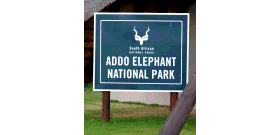
 Addo Elephant Park Closes Zuurberg Hiking Trails After Heavy Rains Hit the Region
Travellers preparing to explore one of South Africa's most beloved conservation destinations will need to adjust their plans, as South African National Parks (SANParks) has announced the temporary closure of the hiking trails in the Zuurberg section of Addo Elephant National Park. Heavy rainfall in the area has left the trails potentially unsafe, prompting authorities to shut them down until proper safety inspections can be completed. For African travel professionals with clients heading to the Eastern Cape, this is important information worth passing on without delay.
According to SANParks, the trails will remain closed until further notice, and no reopening date has yet been confirmed. In addition, the Zuurberg gate will not be manned during the closure period, meaning visitors should avoid trying to access this section of the park until officials give the green light. Importantly, the closure is limited to the Zuurberg hiking area and does not affect the rest of Addo Elephant National Park, which remains open for its famous wildlife-viewing experiences.
The Zuurberg section offers a distinctly different atmosphere from the main game-viewing zone that most tourists associate with Addo. Nestled within the Zuurberg Mountains, the area is characterised by rugged mountainous terrain, indigenous vegetation, patches of forest, open grassland and stretches of fynbos. This unique combination makes it one of the park's most rewarding sections for hiking and birdwatching enthusiasts, offering an experience that goes beyond the typical safari drive.
Under normal conditions, the section offers two well-loved hiking routes. The Cycad Trail stretches for approximately 2 kilometres and takes around one hour to complete, making it accessible to casual walkers and family groups. For those seeking a bigger challenge, the Doringnek Trail covers roughly 8 kilometres and requires about five hours to hike, delivering a demanding mountain experience with rewarding views along the way. Both routes have earned strong reputations among nature lovers exploring the Eastern Cape.
The wildlife encountered in the Zuurberg section adds further appeal for visitors. Hikers can regularly spot mountain reedbuck, bushbuck, red hartebeest, baboons, monkeys and dassies, while the variety of vegetation supports a wide selection of bird species. This diversity makes the area particularly attractive for eco-tourism operators and specialist birding guides seeking alternatives to the more crowded game-drive circuits.
Reaching the Zuurberg section is a journey in itself, and travellers should be aware that it operates separately from the main game-viewing area. Access from the Addo Main Camp involves following the route towards the Zuurberg Pass, which includes stretches of gravel road. Following heavy rainfall, both the hiking trails and the access roads can become risky, with muddy and slippery surfaces, erosion, and potentially swollen streams making conditions unpredictable. This is precisely why SANParks has chosen a cautious approach until proper inspections confirm the area is safe for public use.
For African tour operators, ground handlers and destination specialists, this development serves as a timely reminder of the importance of staying updated on real-time park conditions, especially during periods of unusual weather. Clients booked on active or adventure-focused itineraries should be advised to confirm the latest status directly with SANParks before travelling. Where necessary, alternative activities within Addo's broader offering, including its renowned elephant sightings and other wildlife experiences, can help maintain a memorable visit despite the temporary hiking restriction.
As Africa's tourism industry increasingly embraces nature-based and adventure travel, incidents like this highlight the growing importance of responsible planning and clear communication with travellers. SANParks has assured the public that once inspections confirm the trails are safe, updated information will be shared regarding the reopening of the Zuurberg hiking routes. Until then, patience, flexibility and reliable local information remain the traveller's best companions when navigating the ever-changing conditions of Africa's wild spaces.
