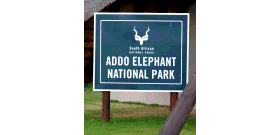
 Addo Elephant Park Rolls Out Vehicle Disinfection at Gates to Guard Wildlife Against Disease
Travel professionals arranging self-drive safaris to South Africa's iconic Addo Elephant National Park should take note of an important new procedure now in effect at the park's entry points. South African National Parks (SANParks) has introduced mandatory vehicle disinfection at both the Main and Matyholweni entrance gates, a fresh biosecurity step aimed at preventing the introduction and spread of Foot-and-Mouth Disease (FMD) into one of the country's most visited conservation areas.
Under the new protocol, every vehicle entering the park through these two gateways will be sprayed with an approved disinfectant solution before continuing onto the reserve's road network. According to SANParks, the process has been carefully designed to minimise delays at the gates while still delivering effective protection against contamination. For visitors, this simply means an additional short step upon arrival, whether they are entering for a day of game viewing or for an overnight stay at one of the camps.
Both entrances play a strategic role in visitor access. The Matyholweni Gate serves travellers coming in from the Gqeberha (formerly Port Elizabeth) and Colchester direction, while the Main Camp entrance is reached via Paterson. As key touchpoints for tourism traffic, these gates have become priority zones for stronger biosecurity oversight, in line with wider conservation strategies across southern Africa.
The good news for visitors is that no special preparation is required. Guests simply need to follow the instructions of SANParks personnel on arrival. The disinfectant treatment is described as safe, controlled and quick, though tour operators and self-drive travellers are advised to build a small time buffer into their arrival plans, particularly during peak holiday seasons when queues at gates can grow. Standard entry requirements, including valid vehicle documentation and personal identification, remain unchanged.
The rationale behind the measure lies in the highly contagious nature of Foot-and-Mouth Disease, a viral illness that affects cloven-hoofed animals including cattle, buffalo, antelope and other wildlife. SANParks' Veterinary Wildlife Services has identified FMD as one of the primary diseases capable of triggering restrictions on wildlife movement across South Africa, with potentially severe consequences for both conservation efforts and the country's agricultural export sector. For a flagship reserve like Addo, which sits within a landscape shared by wildlife and livestock, preventing cross-contamination is critical to safeguarding long-term ecological health.
For African travel professionals selling South African safari itineraries, this development is worth understanding in context. The disinfection process takes place only at the entrance and does not alter the actual safari experience inside the park. Once through the gate, visitors continue their game drives as usual, exploring Addo's vast landscapes home to the famed elephant herds, lions, buffalo, black rhino and a rich variety of other species. The park remains one of South Africa's most accessible self-drive destinations, ideal for family holidays, first-time safari-goers and mid-range travel packages.
Trade partners are encouraged to inform clients ahead of departure so that arrivals are smooth and expectations well managed. A brief note in booking confirmations or pre-travel communications can go a long way in preventing confusion at the gate. It is also wise to consult the latest SANParks updates before finalising itineraries, as operational conditions across South Africa's national parks can shift in response to disease outbreaks or seasonal factors.
Looking ahead, this kind of proactive biosecurity management is likely to become a defining feature of African wildlife tourism. As the continent positions itself as a global leader in conservation-led travel, measures that protect ecosystems and livestock economies will grow in importance, quietly shaping the future of how visitors experience Africa's most treasured wild places.
