 Okavango Delta in October 2026: Intense Heat, Concentrated Wildlife and a Rare High-Water Bonus
October has long been regarded as one of the most demanding yet potentially rewarding months to explore Botswana's iconic Okavango Delta. The annual floodwaters are receding, temperatures are rising sharply and the landscape is drying rapidly ahead of the summer rains. For African travel professionals designing safari itineraries in this transitional period, the month offers a genuinely different Delta experience compared with the peak flood months of July and August, and 2026 brings an unexpected twist that could reshape client expectations.
Water-based activities in October become increasingly dependent on the exact location of a client's camp and the remaining water levels in nearby channels. In a typical year, this can restrict certain mokoro and boating experiences as seasonal channels grow too shallow. However, the 2026 season has been marked by unusually strong flooding across parts of the Okavango, meaning that water availability in some areas may remain better than the calendar traditionally suggests. Tour operators are strongly encouraged to verify current conditions directly with camps before finalising bookings that hinge on water-based excursions.
Weather during October is intense. Daytime temperatures regularly climb into the high 30s Celsius, and heatwaves can push the mercury beyond 40°C. Nights are noticeably warmer than earlier in the dry season, though pre-dawn hours can still feel refreshingly cool. Rainfall remains limited at the start of the month, with the first thunderstorms occasionally arriving towards the end of October, signalling the approaching summer rainy season. It is worth remembering that the Okavango floods during Botswana's dry season because its waters originate far away in the Angolan highlands, a hydrological quirk that makes this wetland unlike any other on the continent.
Despite the heat, October delivers outstanding wildlife viewing. As surface water disappears from the surrounding floodplains, animals become increasingly dependent on remaining permanent channels, lagoons and deeper pools. This natural concentration transforms the Delta into a wildlife theatre where sightings become more predictable and dramatic. Elephants dominate the scene, gathering in impressive numbers to drink, bathe and cool themselves in the shrinking waterways. Buffalo, impala, lechwe, wildebeest, zebra, giraffe and kudu populate the drying floodplains, while predators such as lion and leopard exploit the concentrated prey base. African wild dogs, one of the Delta's most sought-after sightings, may also be encountered by lucky visitors.
The dynamics of an October safari reward those who plan carefully. Early morning and late afternoon deliver the most productive game drives, while the searing midday hours are best spent relaxing at camp, ideally beside a swimming pool or shaded lounge. Predator sightings can be particularly thrilling, as shrinking floodplains open up sightlines and force wildlife into smaller, more accessible zones. This makes October one of the strongest months for land-based game viewing, even if it is not necessarily the most comfortable time to sit in an open safari vehicle.
Birdlife remains rewarding, although October arrives just before the wave of summer migrants that transforms the Delta into a birder's paradise later in the season. Resident species remain plentiful, and the drying landscape often makes raptors and large birds much easier to spot.
For travel professionals, the practical guidance for clients is clear. Travellers must prepare for extreme heat with lightweight breathable clothing, wide-brimmed hats, quality sunglasses, high-SPF sunscreen and constant hydration. Camps offering both land and water activities are strongly preferable, providing valuable flexibility as seasonal channels evolve. Clients booking primarily for mokoro experiences should be encouraged to travel earlier in the month, when water levels are typically more favourable, or to consider the traditional peak flood window of July to September for guaranteed conditions.
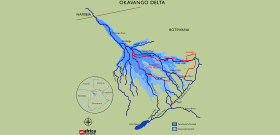
Agents should also emphasise that the Okavango is not a single, uniform destination. Water levels, accessibility and wildlife concentrations differ significantly between the Panhandle, central Delta, Moremi area and southern regions. Reliable, camp-specific information will always outperform generic seasonal guides when tailoring itineraries.
The African travel trade has a compelling story to tell about October in the Okavango. Yes, it is hot, demanding and physically taxing, but for clients prioritising concentrated wildlife encounters, dramatic light and authentic dry-season atmosphere, October delivers one of the most immersive safari experiences on the continent. Combined with the 2026 high-water anomaly, this year's October window offers a rare chance to experience both classic land-based safari intensity and unexpected pockets of navigable waterways, a truly special proposition worth marketing confidently to safari enthusiasts across sub-Saharan Africa.
