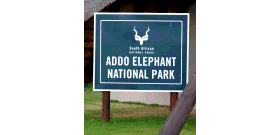
 Addo Elephant National Park Announces Temporary Road Closures for Conservation Work
South African National Parks has confirmed temporary access restrictions within Addo Elephant National Park during the fifth and sixth of March 2026, affecting portions of the main game viewing area as conservation operations proceed. Travel professionals with clients visiting South Africa's third-largest national park during these dates should communicate the disruption to ensure appropriate expectation management.
The closures enable SANParks to conduct essential ecosystem management activities within designated sections of the reserve. While specific areas and precise timing have not been publicly disclosed, such interventions typically encompass wildlife management procedures, habitat maintenance, or infrastructure improvements necessary for maintaining ecological integrity and supporting sustainable tourism over the longer term.
Visitors arriving at Addo Elephant National Park on the affected dates should anticipate temporary road closures, potential detours, and rerouting around restricted zones. SANParks has confirmed that personnel will be stationed at all no-entry points to assist and redirect vehicles, helping minimise inconvenience while conservation activities proceed. This staffed approach ensures guests receive guidance rather than encountering unexpected barriers during their game drives.
Importantly, Addo Elephant National Park remains open to visitors throughout this period. Wildlife viewing opportunities continue in accessible areas, meaning clients can still enjoy meaningful safari experiences despite the localised restrictions. Travel consultants should advise affected clients to maintain flexibility in their viewing routes and consider that staff directions may lead to alternative areas offering different wildlife encounter possibilities.
Addo Elephant National Park holds significant appeal within the South African tourism landscape. The reserve provides a malaria-free safari option within relatively easy driving distance from Port Elizabeth and the broader Eastern Cape region, making it accessible for visitors combining beach holidays with wildlife experiences. The park supports one of the densest elephant populations found anywhere in Africa, alongside diverse species including lion, buffalo, black rhinoceros, and various antelope.
For African travel professionals, proactive client communication regarding such operational matters demonstrates professional diligence and builds trust. Guests informed in advance about potential disruptions typically respond with greater understanding than those encountering unexpected limitations upon arrival. A brief message acknowledging the conservation closures while emphasising continued park accessibility represents appropriate client service.
The temporary nature of these restrictions reflects ongoing stewardship responsibilities that national parks authorities must balance against visitor access. Conservation operations ensure the long-term health of wildlife populations and habitats that ultimately sustain tourism appeal. Short-term inconveniences serve broader objectives that benefit both ecological preservation and the tourism industry depending upon these natural assets.
Self-drive visitors exploring Addo during the closure period should plan for flexibility in their itineraries. Game viewing routes may require adjustment based on staff directions, potentially leading to areas less frequently visited during normal operations. Such circumstances occasionally produce unexpected wildlife encounters as vehicles disperse differently than typical traffic patterns would generate.
Travel businesses coordinating Eastern Cape itineraries should verify current conditions before clients depart for Addo Elephant National Park, particularly given the immediate timing of these closures. Direct communication with accommodation providers within or adjacent to the park may yield additional operational insights useful for client briefings.
SANParks' approach of maintaining visitor access while conducting necessary conservation work reflects institutional commitment to balancing multiple stakeholder interests. Complete park closure would generate more significant tourism disruption, whereas targeted restrictions allow most visitor activities to proceed while protecting areas requiring management intervention.
As the affected dates coincide with the current week, travel professionals with imminent client arrivals at Addo should prioritise communication today. The closures conclude after Friday, meaning visitors arriving from Saturday onward should find normal access restored throughout the main game viewing areas, subject to any subsequent announcements from park authorities.