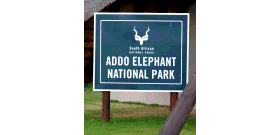
 Heavy Rains Force Gravel Road Closures at Addo Elephant National Park
South African National Parks has confirmed the temporary closure of all gravel roads and game-viewing loops in the Main Camp and Colchester sections of Addo Elephant National Park following persistent heavy rainfall across the Eastern Cape region. The closures affect a significant portion of the park's road network, as the majority of the sixty-four kilometre internal route system consists of gravel surfaces.
Visitors planning self-drive safaris or day excursions to this renowned wildlife destination are advised that access remains limited to tarred roads only until ground conditions improve sufficiently for safe passage. The main entrance gate and Matyholweni gate continue to operate, allowing vehicles to reach both Main Camp and Matyholweni Camp despite the weather disruptions. However, the popular unpaved game-viewing circuits that wind through prime elephant territory are currently inaccessible.
For African travel trade professionals with clients booked on Eastern Cape itineraries, these closures require careful management and clear communication. Addo Elephant National Park attracts visitors specifically for its self-drive safari experience, where travellers can explore the reserve at their own pace from personal vehicles. The temporary restrictions significantly alter what guests can experience during their visit, potentially affecting satisfaction levels and requiring itinerary adjustments.
The park's road infrastructure features two main loops of tourist roads that are tarred, while remaining routes are gravelled. Under normal conditions, these gravel roads are well maintained and accessible to standard vehicles without four-wheel-drive capability. However, SANParks policy dictates closure of unpaved sections during very wet weather to prevent vehicle damage, visitor safety incidents, and deterioration of the road surfaces themselves
These latest closures follow ongoing weather-related disruptions affecting multiple sections of the park. SANParks recently shut all hiking trails in the Zuurberg section due to similarly hazardous conditions caused by heavy rainfall. The cumulative effect of these closures limits visitor options considerably, particularly for those seeking active outdoor experiences beyond standard vehicle-based game viewing.
The Colchester section, which forms the heart of most visitor experiences at Addo, relies heavily on its network of dirt roads for game viewing. This area contains the famous elephant populations that have made the park an essential destination on Eastern Cape safari circuits. With gravel routes closed, opportunities to observe these magnificent animals and the park's diverse wildlife become significantly reduced.
Travel consultants should advise clients with upcoming bookings to contact the park directly for current road conditions before departing. Situations can change rapidly depending on weather patterns, and what appears closed today may reopen if conditions dry sufficiently. Conversely, additional rainfall could extend closures or affect other park sections not currently restricted.
SANParks has urged all visitors to exercise caution, monitor official communications, and avoid any attempts to access closed routes. Ignoring closure signs risks vehicle damage, personal injury, and potential rescue operations that strain park resources. The authority emphasised that visitor safety remains the primary concern driving these temporary restrictions.
Addo Elephant National Park spans diverse ecosystems and hosts ninety-one mammal species alongside four hundred and eighteen bird species, making it a premier wildlife destination in the Eastern Cape. Located approximately seventy-two kilometres from Port Elizabeth, the park offers accessible safari experiences for travellers exploring South Africa's southern regions. However, its popularity and accessibility also mean that weather disruptions affect substantial visitor numbers.
For tour operators and travel agents serving clients bound for this region, maintaining awareness of park conditions proves essential for delivering quality service. Proactive communication about potential limitations helps manage expectations and allows for contingency planning. As autumn rainfall patterns continue across the Eastern Cape, further weather-related disruptions remain possible, requiring ongoing vigilance from travel professionals committed to smooth client experiences throughout the Southern African safari season.
