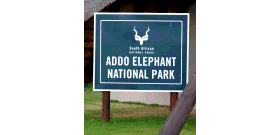
 Addo Elephant Park Main Camp Pool Shuts for Four Weeks Ahead of Summer Season
Travel professionals handling South African safari bookings should take note of a short-term operational change at one of the Eastern Cape's most popular wildlife destinations. The swimming pool at Main Camp in Addo Elephant National Park will close for approximately four weeks from 13 October 2026, as park management carries out essential maintenance work ahead of the busy summer season.
The facility is expected to reopen around mid-November 2026, although the exact date remains dependent on how quickly the maintenance work progresses. During this period, overnight guests staying at Main Camp will not have access to the pool, making it important for agents to manage client expectations early, particularly for families and those travelling with children who often view the pool as a welcome break between morning and afternoon game drives.
Main Camp serves as the principal accommodation facility within Addo Elephant National Park, offering a broad spread of options that includes chalets, cottages, safari tents and camping sites. The camp also houses a restaurant and a shop, making it a practical base for visitors who prefer the convenience of on-site facilities. Positioned in the southern section of the park, Main Camp sits within easy reach of the principal game-viewing area, which has built an international reputation thanks to its remarkably large elephant population.
For context, Addo Elephant National Park lies roughly 70 kilometres north-east of Gqeberha in South Africa's Eastern Cape province. It ranks among the country's most accessible and affordable safari destinations, and has long been a favourite for self-drive safaris, a segment that continues to grow steadily across southern Africa as more African and international travellers seek flexible, independent touring experiences at competitive price points.
The timing of the maintenance is strategically sensible. By completing the work before the peak December and January holiday rush, park authorities aim to ensure facilities are in good condition when visitor numbers reach their annual high. Travel trade partners will recognise this as standard good practice in destination management, although it does create a short window where client communication becomes critical.
Agents with existing bookings falling between mid-October and mid-November would be well advised to contact affected clients proactively rather than waiting for complaints to surface after arrival. Transparency at the booking stage protects agency reputation and reduces the risk of post-travel disputes. Where clients place high value on pool access, alternative options within or near the park may be worth exploring, or bookings could be shifted slightly to fall outside the closure window.
Beyond the immediate practicalities, this kind of announcement reflects a broader shift worth noting across the African travel industry. Visitors today arrive with higher service expectations than in previous decades, and facility quality increasingly influences destination choice and online reviews. National parks and reserves across the continent are responding by investing more consistently in accommodation upgrades, amenity maintenance and guest comfort, recognising that wildlife alone no longer guarantees satisfaction. For sub-Saharan operators, this means product knowledge must now extend well beyond game densities and sighting probabilities to include detailed awareness of on-site facilities and their operational status.
It also highlights the growing importance of maintaining direct, reliable communication channels with park authorities and accommodation partners. Those agencies that track operational updates closely are better positioned to advise clients accurately, avoid unpleasant surprises, and build the kind of trust that generates repeat business and referrals.
Addo Elephant National Park remains fully open for game viewing throughout the maintenance period, with all other camp facilities operating as normal. The closure affects the swimming pool only, meaning the park's core safari experience continues uninterrupted for the thousands of visitors expected in the coming weeks.
