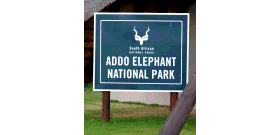
 Addo Stays Open for Safaris as Foot-and-Mouth Confirmed in Kudu, Biosecurity Tightened
South African National Parks has confirmed foot-and-mouth disease in kudu at Addo Elephant National Park in the Eastern Cape, following a second round of diagnostic testing on samples collected from affected animals that returned positive results. Working in coordination with the Eastern Cape Department of Agriculture, the conservation authority has moved swiftly to strengthen biosecurity controls across the reserve.
The single most important point for the trade is this: tourism operations remain open. Game drives, accommodation and visitor access continue as normal, and at present no other wildlife species within the park is displaying symptoms consistent with the disease. Equally important for client reassurance, foot-and-mouth affects susceptible cloven-hoofed animals and is not considered a risk to human health. Guests face no danger from visiting, and consultants should be confident in saying so plainly.
The detection itself reflects well on the park's monitoring systems. Wildlife health surveillance teams observed an increase in lameness among kudu and promptly alerted the provincial agriculture department. Initial testing returned negative results, but continued investigation and follow-up sampling eventually confirmed the presence of the virus. That sequence demonstrates a surveillance programme working exactly as intended, catching an anomaly early rather than waiting for it to become obvious.
Authorities have been careful about what the results do and do not establish. The positive finding confirms the virus is present in the sampled animals, but it does not by itself identify the source of infection, the direction of transmission, or any connection to other outbreaks recorded elsewhere in the province. Veterinary authorities are actively investigating these questions, and responsible reporting means resisting the temptation to fill those gaps with speculation.
Several practical measures are now in force. Vehicles must be disinfected before leaving designated game-viewing areas, a requirement that directly affects guest experience and deserves attention when planning itineraries. No cloven-hoofed animals may enter or leave the park without authorisation from the veterinary authority following a formal risk assessment, though this restriction relates to wildlife management rather than day visitors. SANParks is also coordinating closely with the Department of Agriculture, neighbouring landowners and livestock producers, with the understanding that additional controls will follow should veterinary advice or animal-disease legislation require them.
For consultants building Eastern Cape programmes, the vehicle disinfection requirement is the detail that matters operationally. The process adds time at exit points, and clients transferring to Port Elizabeth for an onward flight, or driving to the next lodge on the same day, should be given a generous buffer rather than a tight connection. A client who misses a flight because nobody allowed for a disinfection queue will remember that failure long after the safari itself fades. Building an extra thirty to forty-five minutes into departure planning is simple insurance.
Guests should also be briefed to follow all access, movement and biosecurity instructions issued by park staff without exception. These protocols exist to protect both the wildlife population inside the park and the livestock economies of surrounding communities, and compliance is a matter of basic responsibility rather than mere formality.
Because the situation remains under active investigation and further measures may yet be introduced, agencies should verify current conditions with SANParks shortly before client departure rather than relying on information gathered weeks earlier. The authority has committed to continued monitoring of the affected kudu, other susceptible wildlife and possible risk pathways, with further public updates to follow as verified information becomes available.
There is a wider reflection worth holding onto here. As African conservation areas increasingly share boundaries with commercial farmland, the interface between wildlife and livestock will keep producing moments like this one. Destinations that invest in surveillance, communicate transparently and keep tourism running where it is genuinely safe to do so will protect both their conservation credibility and their commercial reputation. Addo's handling of this episode offers a sound example of how that balance can be struck.
