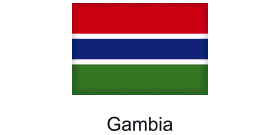
 The Gambia launches new tourism strategy and brand to boost heritage and ecotourism
The Gambia has launched a new strategic framework for its tourism sector, together with an evolved National Tourism Brand Identity, in a move designed to strengthen the country’s position as a leading West African destination. The official launch took place on 9 November 2026, led by Vice President Muhammed B.S. Jallow and attended by tourism stakeholders, development partners and dignitaries. The Ministry of Tourism, Arts and Culture played a central role in developing the new strategy, which aims to guide the future growth and diversification of the sector.
The launch event introduced three strategic instruments that will shape the direction of Gambian tourism. The first is the Revised National Tourism Policy and Strategy, which sets out a framework for sustainable and inclusive governance of the sector. The second is a set of Six Priority Tourism Investment Business Cases, designed to attract private-sector investment, diversify tourism products and create new employment opportunities. The third is the Tourism Marketing, Branding and Investment Promotion Strategy, which aims to enhance international competitiveness and raise the country’s profile in global markets.
At the heart of the new strategy is a focus on heritage, river and ecotourism experiences. The Gambia is positioning itself as a destination for travellers seeking authentic cultural heritage, river-based activities and nature-focused tourism. This approach is expected to appeal to leisure sellers, tour operators and investors looking for new products to offer clients, especially those interested in responsible and sustainable travel. The emphasis on diversification may also help the country reduce its reliance on traditional beach tourism and open up new markets.
A major highlight of the launch was the unveiling of The Gambia’s evolved National Tourism Brand Identity. The refreshed brand is intended to give the country a modern global image and better communicate its tourism offerings to international audiences. For the trade, the new brand identity may provide updated marketing materials, messaging and visual assets to support sales and promotion. However, details on the brand’s visual elements, tagline or rollout plan were not included in the available material and remain an open question for agencies and partners.
The strategic instruments were developed by the Ministry of Tourism, Arts and Culture with support from the World Bank-financed Tourism Diversification and Resilience Project. This partnership aims to translate the tourism priorities outlined in the Yiriwaa National Development Plan 2023–2027 into practical action. The focus is on economic diversification, job creation and building resilience within the sector. However, the specific targets, funding levels and project milestones for the World Bank initiative and the Yiriwaa Plan are not detailed in the supplied information and should be clarified with the Ministry or project partners.
For leisure sellers, tour operators and investors, the new framework offers several practical opportunities. The Six Priority Tourism Investment Business Cases are designed to attract private-sector partners and encourage the development of new tourism products. Agencies interested in partnerships or investment should seek further details from the Ministry on the scope, location and incentives associated with each business case. The new marketing and branding strategy may also create opportunities for joint promotions, familiarisation trips and product development targeting both African and international markets.
Open questions remain about air connectivity to Banjul from major African hubs such as Lagos, Accra, Nairobi and Johannesburg. The official material does not specify which airlines currently serve these routes, the frequency of flights, or any planned expansions. For the trade, this means checking with airlines and GDS systems for the latest schedules and advising clients on the most efficient connections. Improved connectivity will be essential for realising the growth targets set out in the new strategy, especially for group and MICE travel.
Visa and entry requirements for African travellers to The Gambia are also not covered in the available information. Agencies should verify visa policies, fees and entry documents with official sources before confirming bookings. In comparison, some West African countries offer visa-free or e-visa access to regional travellers, while others maintain stricter entry controls. The Gambia’s approach to entry rules may influence its competitiveness as a destination for multi-country itineraries and regional events. The lack of detail on this point is a gap that should be addressed in future communications from the Ministry.
Background figures on tourism arrivals, market share, or economic impact of the sector are not included in the supplied material. There is also no information on how The Gambia’s new strategy compares with similar initiatives in other West African destinations such as Cape Verde, Senegal or Ghana. For the trade, this means that benchmarking and competitive positioning will require further research as more data becomes available. Agencies should monitor for updates from the Ministry and international partners as the strategy is implemented.
The outlook for The Gambia’s tourism sector is positive, with the new strategic framework and brand identity providing a clear direction for growth, diversification and investment. The focus on heritage, river and ecotourism aligns with global trends towards sustainable and experience-driven travel. However, the success of the initiative will depend on effective implementation, improved connectivity, clear entry rules and strong partnerships with the trade. Agencies and investors should remain alert to further announcements and be ready to adapt their offerings as more details emerge in the coming months.
Sources: Official material sup November 2026.