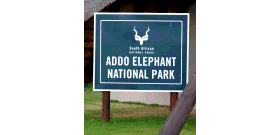
 Addo Elephant National Park Conducts Conservation Operations This Week
South African National Parks has commenced scheduled wildlife management activities at one of the country's most celebrated reserves, with operations taking place today and tomorrow across several sections of Addo Elephant National Park. Travel professionals with clients visiting the Eastern Cape destination should be aware of temporary adjustments that may affect game viewing experiences during this period.
Conservation teams supported by aerial units are carrying out an elephant contraception programme as part of ongoing ecological management efforts. Today's operations focus on the Nyathi, Kabouga, and Darlington sections of the park, while tomorrow's activities will shift to the Main Camp and surrounding areas. These procedures form a critical component of the park's strategy to maintain healthy elephant numbers while preserving the broader ecosystem.
The programme reflects decades of careful population management at Addo. The reserve currently hosts more than 850 elephants, approaching what conservationists consider its ecological capacity [[1]](https://www.africanelephantjournal.com/inside-addos-elephant-translocation-and-the-challenge-of-fragmented-wild-spaces/). Rather than resorting to more drastic interventions, SANParks employs contraception as a humane and effective tool to balance population growth. This approach has been operating for over a decade and works alongside occasional translocation efforts that move elephants to other sections of the fragmented park system [[1]](https://www.africanelephantjournal.com/inside-addos-elephant-translocation-and-the-challenge-of-fragmented-wild-spaces/).
Addo Elephant National Park remains fully open to visitors during these operations. However, travellers may encounter temporary access restrictions in certain zones or receive instructions to relocate away from active areas. SANParks Honorary Rangers are deployed throughout the park to assist with traffic management and provide guidance to guests navigating around the conservation activities.
For safety purposes, visitors should follow all directions from rangers and officials without hesitation. Guests must remain inside their vehicles at all times and calmly vacate any areas where operations are underway. Providing adequate space for both ground crews and helicopter teams to work safely remains essential for the success of these sensitive procedures.
While elephant sightings in specific sections may be temporarily limited during active operations, the park offers extraordinary diversity that ensures rewarding experiences regardless. Now the third largest national park in South Africa, Addo has expanded considerably to protect a remarkable range of biodiversity, landscapes, and wildlife [[2]](https://www.sanparks.org/travel). The reserve encompasses five of South Africa's seven major vegetation zones and stands as the only park housing the famous Big Seven in their natural habitat, comprising elephant, rhinoceros, lion, buffalo, leopard, whale, and great white shark [[3]](https://en.wikipedia.org/wiki/Addo_Elephant_National_Park).
This unique combination of terrestrial and marine assets distinguishes Addo from other African wildlife destinations. The park's marine section includes Bird Island, home to approximately 120,000 gannets in what constitutes the world's largest breeding colony of these seabirds, alongside a significant population of African penguins [[3]](https://en.wikipedia.org/wiki/Addo_Elephant_National_Park). Visitors seeking aquatic encounters can arrange marine eco-tours to potentially observe great white sharks and southern right whales.
For those preferring land-based activities, the PPC Discovery Trail near Main Camp offers an accessible walking experience, with one loop designed for wheelchair users and visually impaired visitors at no additional cost [[4]](https://www.nationalparks.africa/national-parks-information/addo-elephant-national-park/). The Zuurberg hiking trail provides more extensive exploration opportunities for active travellers.
Travel professionals should remind clients that these conservation measures ultimately enhance future safari experiences. Maintaining sustainable elephant populations protects vegetation, preserves water sources, and ensures balanced ecosystems where diverse species can thrive. The temporary inconvenience of this week's operations contributes directly to the long-term health of one of Africa's most treasured wildlife sanctuaries.
Visitors planning trips to the Eastern Cape in coming days should consult official SANParks channels for the latest operational updates. With proper awareness and flexibility, travellers can still enjoy exceptional wildlife encounters while witnessing firsthand the dedicated conservation work that makes destinations like Addo possible for generations to come.
