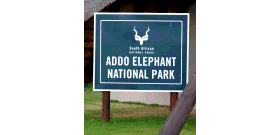
 Fuel Limits Now in Effect at Addo Elephant National Park for Safari Visitors
South African National Parks has introduced fuel restrictions at one of the country's most celebrated wildlife destinations, creating new logistical considerations for travel professionals packaging self-drive itineraries in the Eastern Cape. The measures, now active at Addo Elephant National Park, limit the amount of fuel visitors can purchase at filling stations located within the reserve.
Under the current regulations, each vehicle may purchase a maximum of 30 litres of fuel per refuelling stop at stations inside the park. Additionally, guests are prohibited from filling jerry cans, spare containers or any portable fuel storage under any circumstances. These rules have been implemented to protect limited on-site supplies during a period of broader fuel availability challenges affecting the Eastern Cape and surrounding regions of South Africa.
For travel operators and consultants advising clients on Eastern Cape safari experiences, this development requires immediate attention. Addo Elephant National Park remains fully operational and continues to welcome visitors, but the restrictions introduce practical constraints that must be factored into itinerary planning, particularly for guests undertaking extended self-drive explorations of the reserve.
The park, which protects over 600 elephants alongside lions, buffalo, leopards, rhinoceros and diverse antelope species, spans a substantial area that rewards thorough exploration. Visitors often spend multiple days traversing different sections to maximise wildlife sighting opportunities. Under normal circumstances, internal fuel stations provide convenient refuelling options that allow guests to extend their driving without concern. The current limitations change this calculation considerably.
Travel professionals should advise clients to arrive at Addo with full fuel tanks, having topped up at filling stations in surrounding towns before entering the reserve. Nearby communities including Colchester and Addo village offer reliable refuelling options close to the main access gates. Making these external stops part of the standard arrival routine ensures guests begin their safari experience without fuel anxiety.
The prohibition on filling spare containers deserves particular emphasis when briefing clients. Some experienced self-drive travellers habitually carry additional fuel for remote destinations, but this practice will not be accommodated within Addo under present conditions. Guests should understand this restriction clearly before departure to avoid disappointment or confrontation at fuel points inside the park.
Conservative driving patterns become more important when operating under constrained refuelling conditions. Travel consultants might suggest that clients prioritise essential routes and popular sighting areas rather than attempting to cover every corner of the reserve during a single visit. Focused game drives that concentrate on productive zones often deliver better wildlife encounters than rushed attempts to see everything, and this approach aligns naturally with current fuel realities.
Timing also matters. Guests who refuel early in the day, before queues potentially build during busier periods, will spend more time enjoying the park and less time waiting at pumps. This guidance applies especially during school holidays, long weekends and peak tourist seasons when visitor numbers increase substantially.
For the African travel trade more broadly, supply chain disruptions affecting tourism infrastructure represent an increasingly relevant consideration. Whether involving fuel, electricity, water or other essential services, localised shortages can emerge with limited warning and require rapid adaptation. Building flexibility into itineraries, maintaining strong communication channels with ground handlers, and briefing clients thoroughly on potential variables all contribute to smoother experiences when conditions deviate from the norm.
Addo Elephant National Park remains one of South Africa's most accessible Big Five destinations, offering malaria-free game viewing within reasonable driving distance of Port Elizabeth and the Garden Route. The current fuel measures, while requiring adjustment, do not diminish the exceptional wildlife experiences the reserve delivers. Travel professionals who communicate these practical details proactively will help their clients arrive prepared and depart with lasting memories of one of Africa's great elephant sanctuaries.
